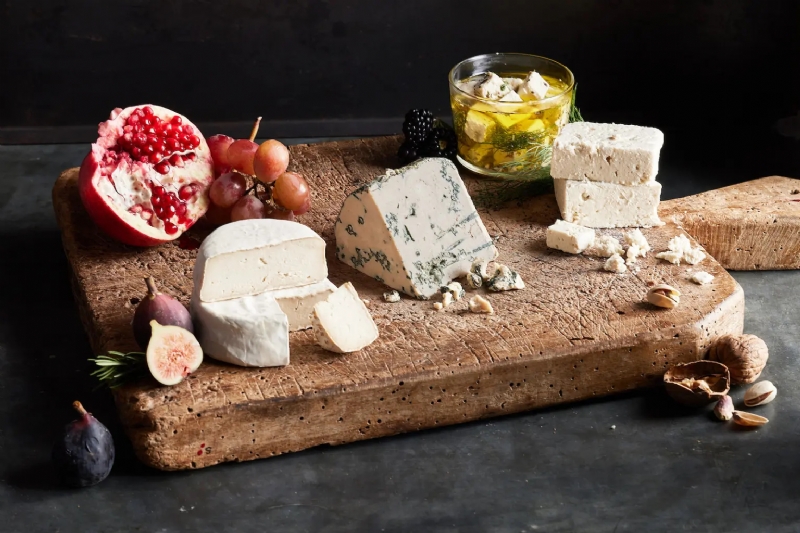
Vegan Cheese: Types, Ingredients, History and Plant-Based Alternatives
Vegan cheese is a dairy-free, plant-based cheese alternative made without milk or any other animal-derived ingredients. Designed to replicate the taste, texture, appearance, and functionality of traditional dairy cheese, vegan cheese has become an increasingly popular option among vegans, vegetarians, lactose-intolerant consumers, and people seeking plant-based food alternatives.
Today, vegan cheese is available in a wide variety of styles, ranging from soft and spreadable fresh cheese to aged, fermented, and hard varieties suitable for slicing, grating, and cooking. Popular options include plant-based mozzarella, cheddar, cream cheese, and Parmesan alternatives.
Unlike conventional cheese, which is primarily produced from animal milk, vegan cheese is manufactured using plant-derived ingredients such as nuts, seeds, vegetable oils, plant proteins, and plant-based milk. These ingredients can be combined with nutritional yeast, starches, cultures, and seasonings to create different flavors and textures.
Ingredients Used in Vegan Cheese Production
Vegan cheese can be made from various plant-based ingredients, depending on the desired flavor, consistency, nutritional profile, and application. Manufacturers use different combinations of proteins, fats, starches, and plant milks to achieve characteristics similar to traditional dairy cheese.
Common ingredients used in vegan cheese production include:
- Nuts: Cashews, almonds, pine nuts, and peanuts are commonly used to create creamy textures and rich flavors.
- Seeds: Sunflower and sesame seeds provide plant-based fats, proteins, and other nutritional components.
- Soybeans: Soy milk and soy proteins are used as bases for various plant-based cheese products.
- Coconut oil: Provides fat content and helps develop the desired texture and melting characteristics.
- Nutritional yeast: Adds a savory, cheese-like flavor to plant-based formulations.
- Tapioca starch: Helps improve elasticity, texture, and melting properties.
- Rice and potatoes: Can be used as sources of starch to improve consistency and structure.
- Vegetable-based ingredients: Plant proteins, vegetable oils, and plant milks provide flexibility in product formulation.
- Spices and seasonings: Enhance flavor and help replicate the taste of different traditional cheese varieties.
The combination of these ingredients allows manufacturers to produce vegan cheese alternatives with different functional properties, including spreading, slicing, melting, stretching, and grating.
Types of Vegan Cheese
The vegan cheese market offers a growing selection of plant-based alternatives designed for different culinary applications.
Some of the most popular varieties include:
- Vegan Mozzarella: Developed for pizza, pasta, sandwiches, and baked dishes, with formulations designed to provide melting and stretching properties.
- Vegan Cheddar: A plant-based alternative commonly used in burgers, sandwiches, sauces, and convenience foods.
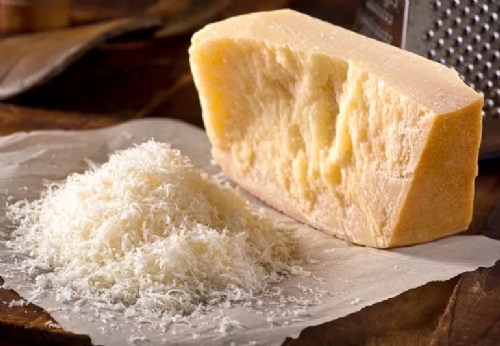
- Vegan Parmesan: A hard, grateable cheese alternative used for pasta, salads, and other savory dishes.
- Vegan Cream Cheese: A soft and spreadable product suitable for bagels, dips, desserts, and sauces.
- Vegan Feta: A plant-based alternative designed for salads, Mediterranean dishes, and food preparations.
- Vegan Blue Cheese: A specialty alternative developed to replicate the distinctive flavor and texture of traditional blue cheese.
Depending on their ingredients and manufacturing methods, vegan cheeses can be fermented, cultured, aged, or produced using starch-based formulations.
History and Development of Vegan Cheese
The history of plant-based cheese alternatives dates back several centuries. One early example is fermented tofu, known as furu, which has been documented in China since at least the late 16th century. This savory fermented soy product is traditionally used as a condiment alongside rice and porridge.
Western publications from the 19th and 20th centuries frequently compared furu to traditional cheese, sometimes describing it as nondairy or vegan cheese.
Later homemade vegan cheese recipes used ingredients such as soy flour, margarine, and yeast extract. The texture of these products depended largely on the type of margarine used. Firmer fats helped create sliceable products, while softer fats produced spreadable alternatives.
Commercial vegan cheese products began appearing around the 1970s and 1980s. Early formulations often had limitations in taste, texture, and overall quality compared with conventional dairy cheese.
During the 1990s, the availability of vegan cheese in the United States remained limited, with brands such as Soymage among the early commercial options. Over time, the market expanded to include a wider range of varieties, including plant-based mozzarella, cheddar, and other cheese alternatives.
Manufacturers also began exploring soy-free formulations using nuts, seeds, coconut oil, and other plant-based ingredients. Although vegan cheese was relatively expensive compared with dairy cheese during its early commercial development, improvements in ingredients, production technology, and market demand have contributed to the growth of the category.
Vegan Cheese in the Modern Food Industry
Vegan cheese has become an increasingly important product category within the global plant-based food industry. Growing interest in dairy-free products, vegan diets, and alternative protein sources has encouraged manufacturers to develop new formulations and improve product quality.
Today, plant-based cheese alternatives are used across various food applications, including:
- Pizza and frozen food production.
- Burgers, sandwiches, and wraps.
- Pasta, sauces, and baked dishes.
- Ready meals and convenience foods.
- Salads, snacks, and appetizers.
- Food service, restaurants, and HORECA businesses.
For food manufacturers, developing high-quality vegan cheese requires careful ingredient selection and formulation. Important product characteristics include melting performance, stretchability, flavor, mouthfeel, stability, and nutritional composition.
Modern food technology continues to improve the sensory and functional properties of vegan cheese, making plant-based alternatives suitable for an expanding range of commercial food applications.
Conclusion
Vegan cheese is an innovative category of dairy-free cheese alternatives manufactured entirely from plant-based ingredients. From nut-based fermented cheeses to coconut oil and starch-based mozzarella alternatives, the market offers a diverse range of products for different dietary preferences and culinary applications.
With ongoing developments in food technology, ingredient innovation, and plant-based product formulation, vegan cheese continues to expand its presence in the global food industry, offering new opportunities for food manufacturers, retailers, restaurants, and HORECA businesses.