
Edam Cheese: Origin, Characteristics, Production & Food Applications
What Is Edam Cheese?
Edam is a traditional semi-hard cheese originating from the Netherlands, named after the historic town of Edam in the province of North Holland. Recognized for its mild flavor, smooth texture, and distinctive versatility, Edam cheese is one of the most widely known Dutch cheese varieties.
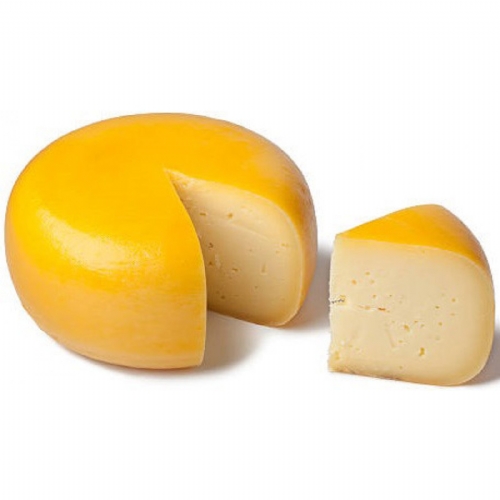
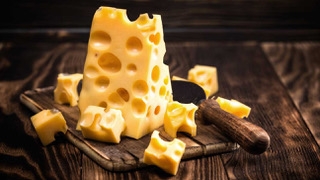
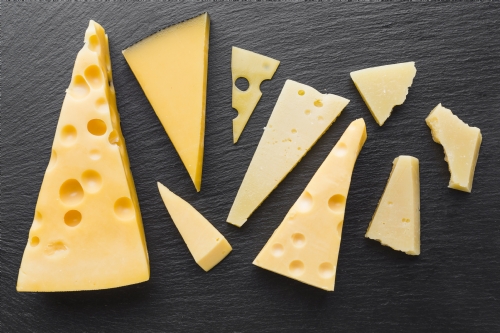
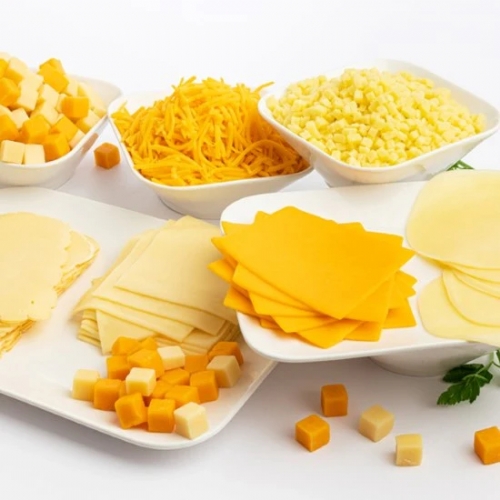
Traditionally, Edam is presented in spherical or flattened round shapes with a pale yellow interior and a characteristic red wax coating. Modern Edam cheese is also available in blocks, sliced, and shredded formats to meet the requirements of retail, foodservice, and industrial food manufacturing.
Edam is typically characterized by its mild, slightly salty, and subtly nutty flavor. Its relatively low fat content compared with some other semi-hard cheeses contributes to its distinctive texture and makes it suitable for a wide range of culinary applications.
Historically, Edam became popular throughout Europe and international trading markets because of its durability and ability to withstand transportation. Today, it remains an established cheese variety in international markets, appreciated by consumers and food industry professionals alike.
Characteristics of Edam Cheese
Edam cheese offers a combination of sensory and functional characteristics that make it suitable for different food applications.
Its main characteristics include:
- Origin: Traditionally produced in the Netherlands, particularly associated with the town of Edam.
- Cheese Type: Semi-hard cheese.
- Color: Pale yellow to light golden yellow.
- Texture: Smooth, compact, and relatively firm, becoming harder as the cheese matures.
- Taste: Mild, slightly salty, and subtly nutty when young, developing a sharper and more pronounced flavor during maturation.
- Fat Content: Traditionally available in different fat compositions, including reduced-fat varieties.
- Versatility: Suitable for slicing, grating, shredding, sandwiches, cooking, and various industrial food applications.
The flavor and texture of Edam can vary depending on its production process, maturation period, moisture content, and fat composition.
Types of Edam Cheese
Edam cheese is available in different varieties and formats depending on its maturation, composition, and intended application.
1. Young Edam Cheese
Young Edam is characterized by its mild flavor, soft texture, and delicate aroma. It has a slightly salty and nutty taste, making it particularly suitable for everyday consumption.
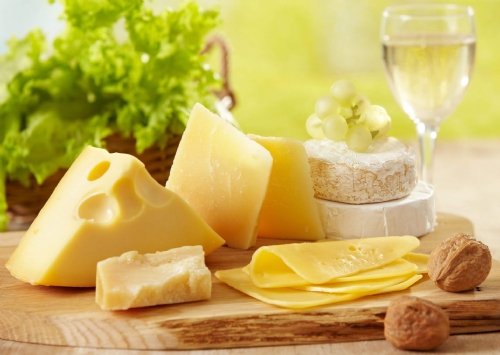
Common applications include sandwiches, cheese platters, salads, and cold appetizers.
2. Mature Edam Cheese
As Edam matures, its texture becomes firmer and its flavor develops greater intensity and complexity.
Mature Edam is often appreciated for its stronger, more pronounced taste and is commonly served with bread, crackers, fruits, and other accompaniments.
3. Reduced-Fat Edam Cheese
Reduced-fat Edam is produced with a lower fat content than conventional varieties while aiming to maintain desirable taste and textural characteristics.
It is used in applications where specific nutritional and formulation requirements influence cheese selection.
4. Processed and Industrial Edam Cheese
Edam is also widely used as an ingredient in processed cheese products and industrial food manufacturing.
Depending on the formulation and processing method, it can be incorporated into sliced cheese products, shredded cheese combinations, prepared meals, sandwiches, bakery products, and various convenience foods.
Edam Cheese in Different Countries and Food Cultures
Although Edam originated in the Netherlands, its popularity has expanded internationally, with different countries incorporating it into their traditional cuisines.
Spain and Latin America
In Spain and several Latin American countries, Edam is commonly known as Queso de Bola, referring to its traditional spherical shape.
It has become particularly associated with regional culinary traditions, including Queso Relleno in the Yucatán region of Mexico, where Edam is filled with seasoned meat and served with traditional sauces.
Czech Republic and Slovakia
Edam, commonly known as Eidam in the Czech Republic, is one of the most widely consumed cheese varieties in the region.
It is particularly popular in Smažený Sýr, a traditional fried cheese dish, often served with tartar sauce or mayonnaise.
Indonesia
Edam has a long history in Indonesian cuisine, influenced by the country's historical connections with the Netherlands.
It is commonly used in traditional baked snacks, pastries, and sweet and savory dishes, including Kaasstengels, Roti Bakar, and Pannenkoek.
Philippines
In the Philippines, Edam is widely known as Queso de Bola and is traditionally associated with Christmas celebrations.
It is commonly served during Noche Buena, the traditional Christmas Eve feast, alongside ham and pandesal.
Scandinavia
Edam is also enjoyed in Sweden and Norway, where it is frequently included in Christmas celebrations and traditional Julbord buffets.
These international culinary traditions demonstrate the versatility and global recognition of Edam cheese.
Edam Cheese in the Food Industry
Beyond its traditional role as a table cheese, Edam is an important ingredient in modern food manufacturing and foodservice applications.
Its mild flavor, smooth texture, and versatility make it suitable for combining with other cheese varieties and incorporating into a wide range of products.
Some of its most common applications include:
- Sandwiches and Toasted Products: Used in sliced formats for sandwiches, burgers, toasties, and ready-to-eat meals.
- Pizza and Baked Products: Incorporated into cheese combinations for pizza, savory pastries, and oven-baked dishes.
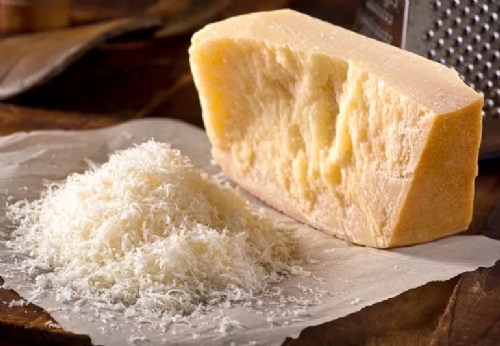
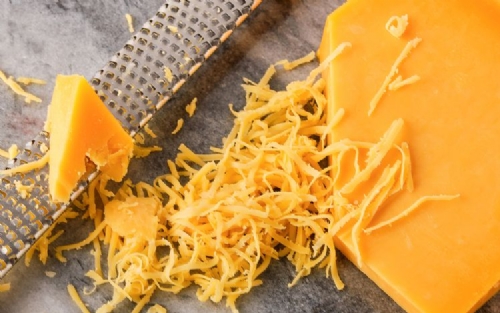
- Shredded Cheese Products: Used in shredded cheese blends for industrial food production and foodservice applications.
- Processed Cheese: Incorporated into processed cheese formulations, slices, and other cheese-based products.
- Ready Meals: Used in pasta dishes, gratins, casseroles, and convenience food products.
- Bakery Applications: Added to savory pastries, filled breads, snacks, and baked goods.
Depending on its composition and formulation, Edam can contribute to the desired flavor, texture, melting behavior, and overall functionality of the finished food product.
Edam Cheese and Modern Cheese Manufacturing
The international food industry increasingly requires cheese products that combine consistent quality, reliable functionality, and cost efficiency.
Edam is frequently incorporated into customized cheese formulations and blends to achieve specific flavor profiles, textures, and functional characteristics.
Modern cheese manufacturing technologies also allow Edam to be processed into different formats, including blocks, slices, and shredded products, offering flexibility for food manufacturers, distributors, wholesalers, and foodservice professionals.
Furthermore, combining natural Edam cheese with other cheese varieties or alternative cheese ingredients allows manufacturers to develop customized cheese blends tailored to specific applications and market requirements.
From its traditional Dutch origins to its role in modern industrial food production, Edam remains a versatile cheese variety with an established place in international food markets.