
Cheddar Cheese: Origin, History, Production and Types
Cheddar cheese is a natural, relatively hard cheese traditionally made from cow's milk. Originally from the English village of Cheddar in Somerset, South West England, it is now one of the most popular and widely consumed cheeses in the world.
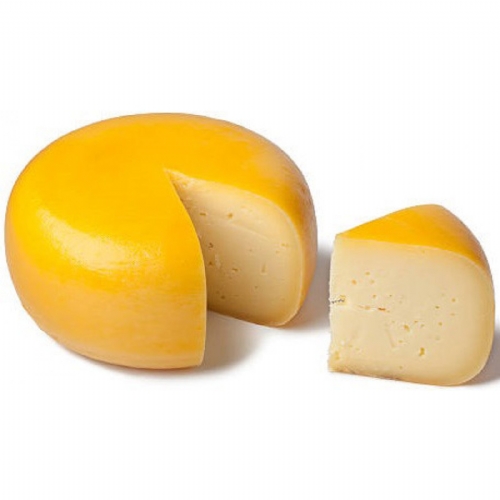
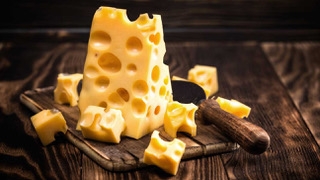
Cheddar typically has an off-white to pale yellow color, although some varieties have a distinctive orange appearance due to the addition of natural colorings such as annatto. Its flavor ranges from mild and creamy to sharp, tangy, and intensely savory, depending on the production method and aging period.
Today, Cheddar cheese is produced in numerous countries, including the United Kingdom, the United States, Canada, Australia, and New Zealand. Although it originated in England, the name Cheddar is not protected by a general Protected Designation of Origin (PDO), meaning that cheeses made in different countries can be marketed under this name.
The Origin and History of Cheddar Cheese
Cheddar cheese originated in the village of Cheddar in Somerset, England. The region is particularly associated with the historic production of this cheese, which eventually became one of Britain's most recognizable traditional foods.
The name Cheddar comes directly from its place of origin. Over time, the cheesemaking style spread beyond Somerset, and Cheddar production became established throughout the United Kingdom and internationally.
Unlike some traditional European cheeses, Cheddar does not have a general Protected Designation of Origin (PDO). Consequently, cheese producers around the world can manufacture and sell cheese using the Cheddar name, provided they comply with applicable food regulations.
However, certain regional varieties have geographical protection.
Protected Cheddar Cheese Varieties
Although Cheddar itself is not generally protected by geographical origin, some traditional regional varieties have specific legal recognition.
West Country Farmhouse Cheddar
West Country Farmhouse Cheddar was registered as a Protected Designation of Origin (PDO) in the European Union in 2007. Its protection continued in the United Kingdom following Brexit.
This designation applies to Cheddar produced using traditional methods from local milk within four English counties:
- Somerset
- Dorset
- Devon
- Cornwall
The cheese must follow specific traditional production requirements to qualify for the designation.
Orkney Scottish Island Cheddar
Orkney Scottish Island Cheddar received Protected Geographical Indication (PGI) status in the European Union in 2013. This geographical protection also applies under UK law.
These designations help preserve regional cheesemaking traditions and distinguish geographically protected products from commercially produced Cheddar.
How Is Cheddar Cheese Different Around the World?
Cheddar cheese is manufactured internationally, but its style, quality, texture, and flavor can vary significantly depending on the producer and production techniques.
Traditional Cheddar is a natural cheese, while some commercially available products labeled as Cheddar may be processed cheese products.
Color is another distinguishing feature. Traditional Cheddar is naturally off-white or pale yellow, but annatto is sometimes added to create its characteristic orange color.
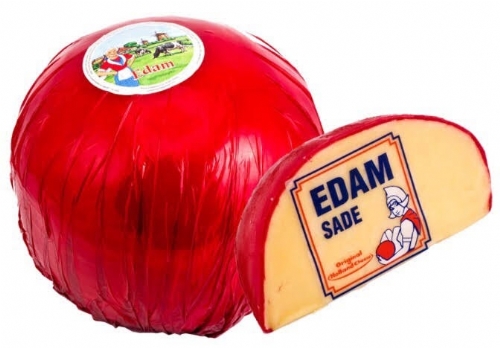
Some cheeses with similar appearances and characteristics are also marketed using related names. For example, Red Leicester is occasionally sold under the description "red Cheddar," although it is a distinct British cheese.
Cheddar Cheese Production
Traditional Cheddar cheesemaking involves several stages that give the cheese its characteristic firm texture and distinctive flavor.
The production process generally includes:
- Milk preparation: Cow's milk is prepared and cultured with starter bacteria.
- Coagulation: Rennet is added to form curds and separate the solid curds from the liquid whey.
- Curd cutting and cooking: The curds are cut into smaller pieces and heated to release additional whey.
- Cheddaring: The curds are stacked, turned, and pressed in stages to remove moisture and develop the characteristic texture.
- Milling and salting: The curds are broken into smaller pieces and mixed with salt.
- Moulding and pressing: The salted curds are placed into moulds and pressed into their final shape.
- Aging: The cheese is matured under controlled conditions to develop its flavor, texture, and aroma.
The cheddaring process is particularly important because it distinguishes traditional Cheddar production from many other cheesemaking methods.
What Does Cheddar Cheese Taste Like?
The flavor of Cheddar cheese varies depending on its age, milk quality, and production method.
Young Cheddar generally has a mild, creamy, and slightly buttery taste. As it matures, its flavor becomes more pronounced, developing sharper, tangier, and more complex characteristics.
Aged Cheddar often has a firmer, sometimes crumbly texture and a stronger savory flavor. Depending on the maturation process, it may also develop subtle nutty and caramel-like notes.
Its versatility makes Cheddar suitable for sandwiches, burgers, sauces, baked dishes, cheese boards, and numerous other recipes.
Cheddar Cheese Popularity and Global Production
Cheddar is one of the most widely consumed cheeses worldwide and holds a particularly important position in the British and American cheese markets.
In the United Kingdom, Cheddar is the most popular cheese, accounting for approximately 51% of the country's £1.9 billion annual cheese market, according to the historical figures cited in the source material.
In the United States, Cheddar ranks as the second-most popular cheese after mozzarella. Historical consumption figures indicate an average annual consumption of approximately 10 pounds (4.5 kilograms) per person.
Cheddar production is also substantial in both countries:
- United States: Approximately 3 billion pounds (1.4 million tonnes) of Cheddar cheese were produced in 2014.
- United Kingdom: Approximately 258,000 long tons (262,000 tonnes) were produced in 2008.
These figures demonstrate the historical commercial importance of Cheddar in the international dairy industry.
Why Is Cheddar Cheese So Popular?
Cheddar's worldwide popularity is largely due to its versatility, recognizable flavor, and wide range of varieties.
Its flavor can be adapted to different preferences, from mild and creamy young Cheddar to sharp and complex aged varieties. Its ability to melt smoothly also makes it a popular ingredient in burgers, sandwiches, pasta dishes, sauces, and baked recipes.
Although it originated in Somerset, England, Cheddar has become an internationally recognized cheese style and an important part of food cultures around the world.