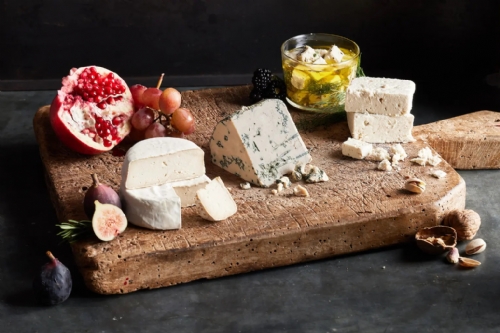

Gouda Cheese: History, Taste, Production and Aging Process
Gouda cheese (pronounced /ˈɡaʊdə/ or /ˈɡuːdə/ in the United States; Dutch: Goudse kaas) is a famous Dutch cheese made from cow's milk. Originating in the Netherlands, it is known for its creamy texture, distinctive yellow color, and rich, slightly sweet flavor. Today, Gouda is one of the most popular and widely produced cheeses in the world.
The name Gouda refers to a traditional Dutch cheesemaking style rather than one specific type of cheese. Its flavor, texture, and aroma vary considerably depending on how long it is aged and how it is produced.
The History and Origin of Gouda Cheese
Gouda cheese takes its name from the historic city of Gouda in South Holland, Netherlands. Interestingly, the cheese was not necessarily produced in or around the city. Instead, Gouda became famous because it served as an important center for the Dutch cheese trade.
During the Middle Ages, Dutch cities could obtain special market rights that gave them control over the sale of particular goods. Gouda acquired the exclusive right to host a cheese market within the County of Holland, allowing farmers throughout the region to bring their cheeses there for sale.
At the traditional Gouda cheese market, farmers transported their cheeses to the market square, where specialized cheese porters carried the large wheels in wooden barrows. These porters belonged to guilds and were recognizable by their distinctive, brightly colored straw hats.
Buyers sampled the cheeses and negotiated prices through a traditional bargaining method known as handjeklap. During this process, buyers and sellers clapped each other's hands while calling out prices. Once they reached an agreement, the cheese was taken to the weighing house to complete the transaction.
Modern Gouda cheese developed during the Dutch Golden Age in the 17th century, helping establish its reputation as one of the Netherlands' most recognizable traditional foods.
Traditional Gouda Cheesemaking
Historically, cheesemaking was considered a woman's responsibility in Dutch farming communities. Farmers' wives passed their cheesemaking knowledge and techniques down through generations, teaching their daughters the traditional methods of producing Gouda.
Today, most Gouda cheese is manufactured industrially. However, approximately 300 Dutch farmers continue to produce traditional farmhouse Gouda, known as boerenkaas.
Boerenkaas is a protected traditional form of Gouda made using unpasteurized milk and traditional production methods. It preserves an important part of the Netherlands' agricultural and culinary heritage.
How Is Gouda Cheese Made?
The production of Gouda cheese involves several important stages that contribute to its characteristic flavor, texture, and appearance.
1. Milk Culturing and Coagulation
The cheesemaking process begins with cow's milk, which is cultured and treated with rennet to form curds. The milk separates into solid curds and liquid whey.
2. Washing the Curds
One of the distinctive steps in traditional Gouda production is known as curd washing.
After some of the whey is removed, warm water is added to the curds. This process removes part of the lactose, reducing the amount of lactic acid produced during fermentation.
The result is a sweeter, milder cheese with Gouda's characteristic creamy flavor.
3. Moulding and Pressing
The curds are placed into circular moulds and pressed for several hours. This process removes additional whey and gives Gouda its traditional round shape.
4. Brining
The cheese is immersed in a saltwater solution, known as brine. This stage adds flavor, helps develop the rind, and contributes to the cheese's preservation.
5. Drying and Coating
After brining, the cheese wheels are dried for several days. They are then coated with yellow wax or a plastic-like protective layer to prevent excessive moisture loss during aging.
6. Aging and Maturation
The final stage is aging, during which Gouda gradually develops its distinctive flavor and texture.
Young Gouda is generally soft, creamy, and mild. As it matures, the cheese becomes firmer and develops increasingly complex flavors, including caramel, butterscotch, and nutty notes.
Types of Gouda Cheese by Aging Period
The flavor and texture of Gouda cheese depend largely on its maturation period. Dutch cheesemakers traditionally classify Gouda into six main aging categories.
| Type of Gouda | Aging Period | Characteristics |
|---|---|---|
| Young Gouda | 4 weeks | Soft, creamy, mild, and slightly sweet |
| Young Matured Gouda | 8–10 weeks | Smooth texture with a richer flavor |
| Matured Gouda | 16–18 weeks | Firmer texture and more pronounced taste |
| Extra Matured Gouda | 7–9 months | Richer, sweeter, and more complex |
| Old Gouda | 10–12 months | Firm texture with caramel-like notes |
| Very Old Gouda | 12–20 months | Hard texture, concentrated flavor, and crunchy cheese crystals |
As Gouda ages, it develops a natural caramel sweetness and a slightly crunchy texture caused by the formation of cheese crystals. These crystals are particularly noticeable in older varieties.
What Does Gouda Cheese Taste Like?
Gouda cheese has a flavor profile that changes significantly with age.
Young Gouda has a mild, creamy taste with subtle nutty notes. Its texture is smooth and slightly elastic, making it suitable for sandwiches, cooking, and everyday meals.
Mature Gouda develops a deeper, richer flavor with a firmer texture. Depending on its aging period, it may have hints of caramel, nuts, and butter.
Aged Gouda has a more concentrated flavor, with sweet, fruity, and butterscotch-like characteristics. Older varieties are generally harder and may contain small crunchy crystals that add texture.
This wide range of flavors makes Gouda a versatile cheese for cooking, entertaining, and cheese boards.
How to Eat and Serve Gouda Cheese
Gouda is enjoyed in many different ways, both in the Netherlands and internationally.
In the Netherlands, cubes of Gouda are traditionally served as a snack, often accompanied by Dutch mustard. Older Gouda varieties may also be served with sugar or apple butter to complement their natural sweetness.
Some popular ways to enjoy Gouda include:
- Cheese boards: Pair Gouda with crackers, fresh fruit, nuts, and dried fruits.
- Sandwiches: Use young Gouda for sandwiches, toasties, and grilled cheese.
- Cooking: Add grated Gouda to pasta, casseroles, sauces, and baked dishes.
- Snacking: Serve Gouda cubes with mustard or other traditional condiments.
- Beer pairings: Enjoy Gouda with beer, particularly in the traditional atmosphere of Dutch brown bars.
- Wine pairings: Pair mature and aged Gouda with full-bodied red wines or sweet wines.
Young Gouda works especially well in dishes where a creamy, mild cheese is preferred, while aged Gouda is an excellent choice for cheese boards and flavor-rich recipes.
Why Is Gouda Cheese So Popular?
Gouda's popularity comes from its versatility, distinctive flavor, and wide range of textures. Its different aging stages offer something for almost every preference, from the mild and creamy taste of young Gouda to the rich, sweet, and complex character of aged varieties.
Its ability to work equally well as a table cheese, cooking ingredient, and snack has also contributed to its international popularity.
With centuries of Dutch cheesemaking tradition behind it, Gouda remains one of the world's most recognizable and appreciated cheeses.