
Parmesan Cheese: Origin, History, Production, and Characteristics
Parmesan cheese, traditionally known in Italy as Parmigiano Reggiano, is a famous Italian hard cheese made from cow's milk and aged for at least 12 months. Recognised for its granular texture, rich savoury flavour, and distinctive aroma, Parmesan is one of the most popular cheeses in Italian cuisine.
Parmigiano Reggiano belongs to the grana family of hard cheeses, which also includes Grana Padano and the historic Granone Lodigiano. Often referred to as the "King of Cheeses", authentic Parmigiano Reggiano is produced in specific regions of Italy under strict geographical and production regulations.
What Is Parmesan Cheese?
Parmesan is a hard, granular Italian cheese traditionally made from cow's milk. It undergoes a lengthy maturation process, with authentic Parmigiano Reggiano aged for a minimum of 12 months.
The cheese is characterised by its firm structure, naturally grainy texture, and savoury flavour. As it matures, Parmesan develops a more complex taste and distinctive aromatic qualities.
The name Parmesan can refer to authentic Parmigiano Reggiano or to locally produced imitation cheeses, depending on the country and applicable geographical indication laws.
Within the European Union, Parmigiano Reggiano and Parmesan are protected designations of origin (PDO). This means that cheese marketed under these protected names must comply with specific geographical production requirements and traditional manufacturing standards.
Origin and History of Parmigiano Reggiano
Parmigiano Reggiano originates from the Emilia-Romagna region of northern Italy. Its name combines the Italian adjectives associated with two of its principal production areas: Parma and Reggio Emilia.
The cheese is traditionally produced in the following Italian provinces and areas:
- Parma: One of the principal areas associated with Parmigiano Reggiano production.
- Reggio Emilia: The province that contributes the second part of the cheese's name.
- Modena: Another important production area in Emilia-Romagna.
- Bologna: Production is permitted in the area west of the River Reno.
- Mantua: Production is permitted in the part of the province located south of the River Po.
These geographical boundaries define the traditional production area of authentic Parmigiano Reggiano.
How Is Parmesan Cheese Made?
Traditional Parmigiano Reggiano is produced using cow's milk and a carefully controlled cheese-making process.
The cheese belongs to the grana category, which is characterised by hard, granular textures and extended maturation periods.
Authentic Parmigiano Reggiano must be aged for at least 12 months. During maturation, the cheese develops its characteristic firm consistency, granular structure, and increasingly complex flavour.
The extended ageing process is an important part of what distinguishes Parmigiano Reggiano from many other types of hard cheese.
Parmigiano Reggiano vs. Parmesan: What Is the Difference?
Although the terms Parmesan and Parmigiano Reggiano are often used interchangeably, they do not always refer to the same product.
Parmigiano Reggiano is the authentic Italian cheese produced within its legally defined geographical area according to established production regulations.
Parmesan, on the other hand, can refer to authentic Parmigiano Reggiano or to imitation cheeses manufactured in other countries, depending on local legislation.
Within the European Union, the names Parmesan and Parmigiano Reggiano are protected under geographical indication rules. Outside the EU and other countries recognising the relevant protections, Parmesan may also be used for locally manufactured cheese inspired by the Italian original.
This distinction is particularly important when purchasing Parmesan cheese and looking for an authentic Italian product.
Protected Designation of Origin (PDO)
Parmigiano Reggiano is protected by a Protected Designation of Origin (PDO), a geographical quality designation under European law.
The PDO status ensures that authentic Parmigiano Reggiano is produced within the recognised Italian production area and follows the applicable production requirements.
The protection of the Parmesan name varies internationally. In countries where the relevant geographical protections are recognised, the name Parmesan is reserved for qualifying authentic cheese.
In other markets, the term may legally be used for imitation products.
According to a 2021 press release from the Italian agricultural association Coldiretti, approximately 90% of certain Italian-sounding cheeses sold as Parmesan, mozzarella, Grana, and Gorgonzola in the United States were domestically produced rather than imported from Italy.
What Is Grana Cheese?
Grana is a category of Italian hard cheeses known for their granular texture, firm consistency, and maturation process.
Parmigiano Reggiano is one of the best-known examples of grana cheese. Other varieties include:
- Grana Padano: A popular Italian hard cheese with a granular texture and a production tradition distinct from Parmigiano Reggiano.
- Granone Lodigiano: A historic Italian grana-style cheese associated with the Lodi area.
Although these cheeses share certain characteristics, each has its own production traditions and geographical identity.
Why Is Parmigiano Reggiano Called the King of Cheeses?
Parmigiano Reggiano is frequently described as the "King of Cheeses" because of its long-standing reputation, traditional production methods, distinctive flavour, and international popularity.
Its extended maturation, granular texture, and protected geographical origin contribute to its reputation as one of Italy's most recognised cheeses.
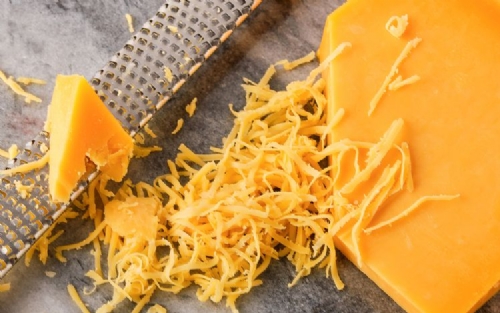
It is also widely used in Italian cooking, particularly in pasta dishes, risotto, soups, salads, and cheese platters.
Conclusion
Parmesan cheese, particularly authentic Parmigiano Reggiano, is one of Italy's most celebrated hard cheeses. Made from cow's milk and aged for at least 12 months, it is recognised for its granular texture, savoury flavour, and distinctive maturation process.
Originating in the Emilia-Romagna region and protected by geographical designation rules, Parmigiano Reggiano represents an important part of Italian cheese-making tradition. Whether grated over pasta, added to risotto, or enjoyed on its own, Parmesan remains a staple of Italian cuisine and an internationally recognised cheese.